The 2025 Resuscitation Guidelines introduce significant updates in first aid practices, emphasizing early education, ethical considerations, and improved response systems for cardiac arrest situations.
Key Changes in the 2025 Guidelines
Early Education and Training
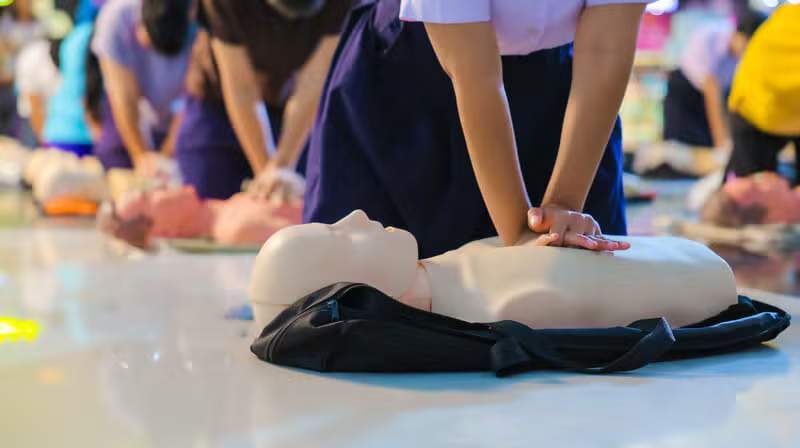
- Lifesaving Skills for Children: The guidelines advocate for teaching CPR and basic lifesaving skills to children as young as 4-6 years old, with annual refreshers throughout their schooling. This aims to create a generation that is more prepared to respond in emergencies.
- Innovative Training Methods: Emphasis is placed on using gamified learning, simulation, and real-time feedback to make training engaging and effective.
Updated Resuscitation Practices
- Refined Techniques: The guidelines refine the sequence of actions and practical techniques for CPR and first aid, aiming to improve survival outcomes and responder confidence.
- Focus on Cardiac Arrest: The guidelines provide detailed recommendations for managing both out-of-hospital and in-hospital cardiac arrests, including the use of Automated External Defibrillators (AEDs) and the importance of bystander CPR.
Ethical Considerations
- Person-Centered Care: The new guidelines emphasize compassionate care, allowing families to be present during resuscitation efforts and ensuring clear documentation of care plans.
- Training in Ethics: All staff involved in first aid and resuscitation are encouraged to receive training in ethical decision-making and communication.
System-Level Improvements
- Coordinated Response Systems: The guidelines highlight the need for improved coordination between first responders, AED registries, and hospitals to enhance the speed and effectiveness of responses to cardiac arrest.
- Long-Term Recovery Support: There is a focus on supporting survivors and their families post-resuscitation, including emotional well-being and rehabilitation.
Implementation Timeline
The updated guidelines will be integrated into all accredited training courses starting from January 2026, ensuring that first aid providers and responders are equipped with the latest knowledge and skills.
These changes reflect a comprehensive approach to first aid and resuscitation, aiming to improve outcomes for patients and empower communities to respond effectively in emergencies. For more detailed information, refer to the official guidelines from the Resuscitation Council UK.